
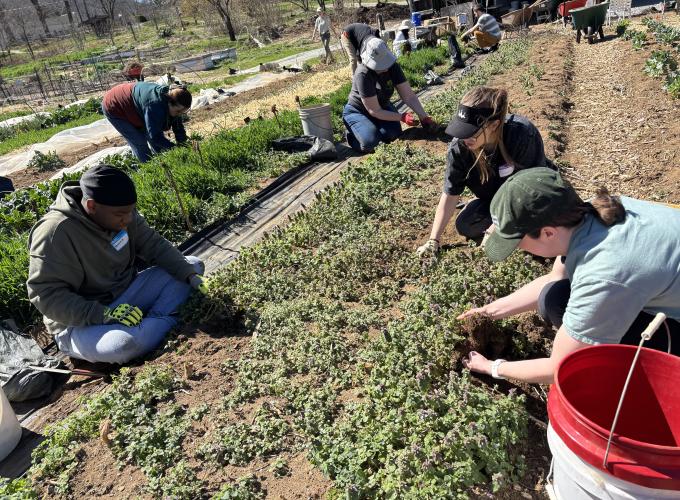

Breaks that expand students’ perspectives, encourage civic responsibility and promote learning beyond the classroom are rare, but they are a hidden gem at Georgia Gwinnett College (GGC). Since restarting the program three years ago, Alternative Spring Break trips have become a powerful source of personal growth for students, creating meaningful connections while volunteering in communities both within Georgia and beyond.
Through these activities, students support communities facing challenges. James Linton, a business management student graduating in 2028, said his alternative spring break experience in Clarkston, Georgia, emphasized the importance of community support.
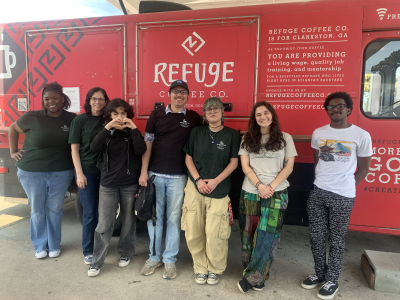
“Helping refugees in Clarkston was significant because it is one of the most diverse cities in the United States. Supporting these communities through volunteer activities helped provide education, housing and job opportunities, making it easier for refugees to rebuild their lives,” Linton said.
The student outreach and service team created the Alternative Spring Break program as a service-learning initiative designed to engage students, whether traveling or staying local, in meaningful community work during their time away from classes. At its core, the program intentionally fosters community engagement and real-world learning.
This past spring break, Georgia Gwinnett College students contributed to projects in Lawrenceville, while other groups of students and faculty volunteered in Asheville, North Carolina; Myrtle Beach, South Carolina; Clarkston, Georgia; Mobile, Alabama; Richmond, Virginia; and Walland, Tennessee.
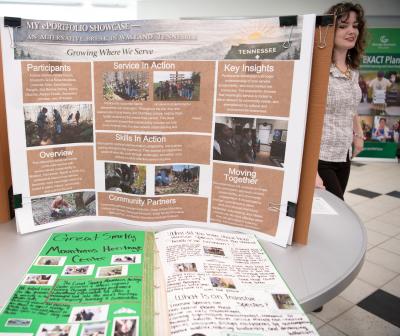
Students also highlighted their experiences at the EXperiential Learning And Critical Thinking (EXACT) ePortfolio Showcase, describing how they documented their trips, reflections and service projects. Through ePortfolios, students presented their learning in a professional format they can share with potential employers and graduate schools.
“The biggest takeaway for students was realizing they can make a positive influence anywhere, especially when addressing issues in states outside of Georgia. In areas such as Mobile, Alabama, oyster populations have declined by 80% to 90%, and students can help by building artificial reefs, planting baby oysters and increasing the population,” said Palice Zimmerman, an environmental science major graduating in 2027.
This unique program operates under Grizzlies Serve, with the support of site leaders who play a critical role in planning and facilitating each trip. Recruitment for site leaders is currently underway and targets students who have previously participated in an Alternative Spring Break experience. Leaders are selected in May and complete formal training throughout the summer, where they spend time finalizing trip details. While the program initially focused on spring break, leaders are expanding it to include additional academic breaks and a wider range of activities. For the upcoming cycle, the program plans to offer two winter break trips after the fall 2026 commencement ceremonies — one staycation-style service experience and one domestic trip.
Looking ahead to spring 2027, the program anticipates offering three to five trips, with applications opening in early fall 2026. Applications will be distributed to students through their GGC email accounts and will include additional details and application deadlines.
After selection, students will attend a series of pre-trip meetings held over several months, typically through the fall semester, preparing them logistically and culturally for the experience.
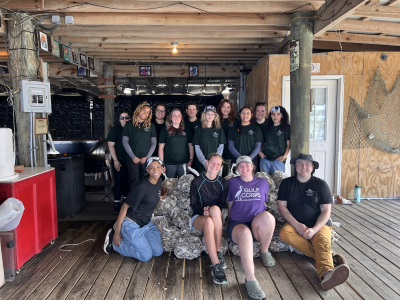
“This program is not only an opportunity to learn about something different and bring it back to our community, but also an opportunity to immerse yourself in a different community while learning,” said JP Peters, assistant director for student outreach and service.
The cost of these trips is designed to remain accessible, ranging from $50 for stay-local experiences to approximately $250 for domestic trips. The cost covers housing, food, transportation and other essential expenses, ensuring that financial barriers are minimized while maintaining meaningful volunteer opportunities.
Ultimately, the Alternative Break program continues to create intentional experiences for involvement beyond the classroom. It offers students a space where community, service and learning intersect, turning academic breaks into initiatives that shape not only how students see the world but also how they choose to make a positive difference around them.
For more information about the Alternative Break program, jpeters21 [at] ggc.edu (email JP Peters), assistant director of Student Outreach and Service, or visit the Grizzlies Serve main webpage.
By Laura Moscoso, student assistant, internal communications