
Bachelor of Science in Environmental Science
On this page:
Safeguard the health of the planet
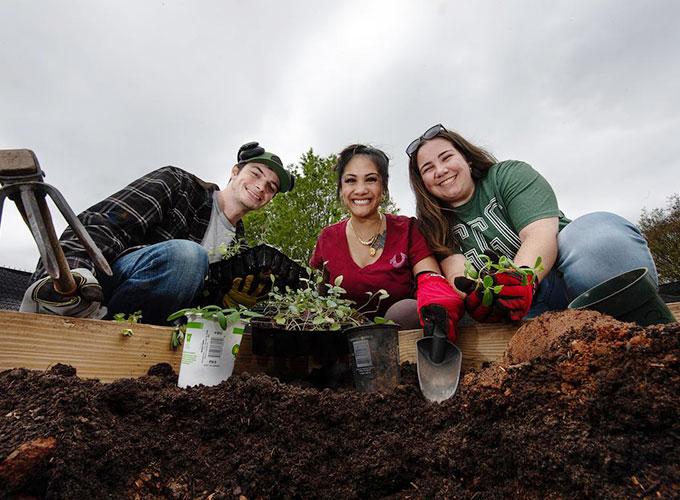
A bachelor’s degree in environmental science offers a rich, interdisciplinary education that empowers students to explore the intricate connections between natural and social sciences.
With two specialized concentrations, you’ll be equipped to take an active role in shaping environmental policies and solutions at local, state, national and global levels.
Become a leader in environmental decision-making and make a lasting impact on the world around you.
Environmental Science Concentrations
Unlock the essential connections between society and the environment. This concentration examines the vibrant social and economic landscapes that shape environmental policy-making. You’ll uncover how communities, cultures, and economies influence sustainable practices and drive impactful change.
What You Can Do
Graduates are prepared for roles in environmental advocacy, policy analysis and community engagement, working with government agencies, non-government organizations and private organizations.
Who Should Apply
This concentration is idea for students passionate about social justice, community involvement and creating innovative solutions for a sustainable future.
Discovery the fundamental physical, chemical and biological factors that impact environmental quality. This concentration emphasizes the science behind environmental challenges and its critical role in shaping effective policy-making decisions. You’ll gain a comprehensive understanding of how these elements interact to affect ecosystems and human health.
What You Can Do
Graduates can pursue careers as environmental scientists, laboratory technicians or consultants, contributing to research, conservation efforts and environmental monitoring.
Who Should Apply
This concentration is perfect for students with a strong interest in scientific inquiry, problem-solving and a desire to make a tangible impact on the environment through research and innovation.
Course catalog requirements for a BS in environmental science: natural science
Courses and Curriculum
Course examples for an environmental science degree (varies based on your chosen concentration):

Environmental Toxicology

Sustainable Development

Environmental Policy
Environmental Toxicology
Sustainable Development
Environmental Policy
Engaged Learning
GGC fosters partnerships with local community organizations to provide tangible experiences that move portfolios to the top of the employment pile.
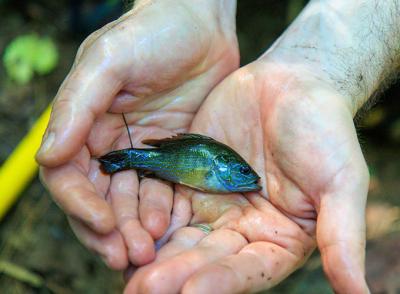
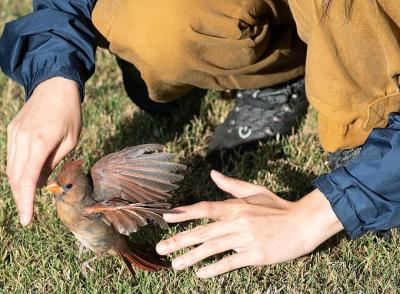
- Student/faculty research collaborations: plant, insect and amphibian biodiversity, bird conservation, stream, lake and wetland ecology, environmental chemistry, fish ecology, and parasitology
- Academic conference presentations
- Internships
- Service learning
GGC also creates global engagement through study abroad opportunities.
Career and Grad School Prep
Natural and social environmental scientists are in high demand at local, state, national and international levels, offering a broad range of career paths. Here are some key areas where your expertise can make a significant impact.
- Activism: Advocate for sustainable practices and environmental justice.
- Biotechnology: Innovate solutions for environmental challenges through scientific advancements.
- Climate change science and policy: Address pressing climate issues and influence policy decisions.
- Conservation: Work towards preserving biodiversity and natural habitats.
- Culture and history: Explore the interplay between environmental issues and cultural heritage.
- Ecology: Study ecosystems to understand interactions among organisms and their environments.
- Energy production: Contribute to sustainable energy solutions and practices.
- Environmental chemistry and toxicology: Investigate chemical impacts on the environment and public health.
- Environmental law and policy: Shape regulations that protect natural resources and communities.
- Freshwater and marine science and policy: Manage and protect vital water resources.
- Microbiology: Examine microbial processes that affect ecosystems and human health.
- Natural resource management: Oversee sustainable use of natural resources.
- Politics: Influence environmental policies and regulations.
- Public health: Address the health impacts of environmental factors.
- Sustainability: Promote practices that ensure ecological balance for future generations.
- Urban planning: Design sustainable cities that enhance quality of life.
With a degree in environmental science, you can explore these pathways and prepare for graduate studies in related fields, equipping yourself to drive meaningful change in the world.
Minors, Certificates, Certifications
Add Value to Your Degree
Degree-enhancing minors, certificates and certifications add value to your degree. Available options range from the sciences, technology, history, political science, writing, the arts and more.
Alumni Voices

Matt Tatz, ‘20
Bachelor of Science in Environmental Science
“Working alongside Dr. Mia Malloy and the GGC bird lab, I presented and published my independent undergraduate research project at the National Conference of Undergraduate Research in 2019 which paved the way toward attending graduate school at the University of Georgia.”
Transforming Lives
- Research assistant conducting integrative research between disciplines, including ecotoxicology, disease ecology, urban ecology and anthropology, Center for Integrative Conservation Research
Education
- Doctoral student, integrative conservation, area of emphasis in ecology, University of Georgia
- Master of Science in Forestry and National Resources, University of Georgia, 2022
- Bachelor of Science in Environmental Science, Georgia Gwinnett College, 2020
Contact Us
Contact us

Institute for Environmental Science and Sustainability Director

Related majors and programs

Biology
Choose from four concentrations or teacher certification to earn a Bachelor of Science in biology. Minor also available.

Human Services

Exercise Science
Choose from two concentrations to earn a Bachelor of Science degree in exercise science.

Information Technology
Choose from five concentrations to earn a Bachelor of Science degree in information technology. Minor also available.

Health Science
Choose from two concentrations to earn a bachelor of science degree in health science.

Criminal Justice / Criminology
Choose from two options to earn a Bachelor of Science degree in criminal justice / criminology. Minor also available.